

Long-term ventilation

and complex care at home

Neuromuscular Patients


Neuromuscular conditions affect nerve and muscle tissue. There are over 60 known forms of muscular dystrophy and related neuromuscular conditions. Deterioration of nerve tissue and muscle wastage cause progressive muscle weakness as the condition develops. The majority of neuromuscular conditions are inherited and so have a genetic basis.


A smaller number are caused by autoimmune disease in which the immune system fails to recognise healthy tissue as being part of the body and attacks it causing, in this case, neuromuscular damage. It is estimated that 60,000 people in the UK live with a neuromuscular condition. There are ways to treat the symptoms of muscle wastage and practical steps can be taken to improve life for those who are affected, but there is no therapy available that can eliminate disease. Muscle weakness and wasting shortens life expectancy for many of these 60,000 people.” (Muscular Dystrophy Campaign, 2008; AMRC.ORG.UK, 2008)

Many neuromuscular conditions are life-long, and patients and their families have to work with the multidisciplinary team to become expert at managing their chronic conditions. Specialist care through a multi-disciplinary team is the most effective way to extend life expectancy and improve quality of life.The team of nurses and HCSW’s at InVent Health help to coordinate and provide the care for patients presenting with various neuromuscular conditions. Some of the conditions we encounter include;

  • Muscular dystrophy
  • Cerebral Palsy
  • Multiple Sclerosis
  • Mitochondrial Myopathies , for example, Leighs Disease - a rare metabolic disease of muscle which is caused by mitrochondrial DNA depletion.
  • Brain injury or disease
  • Locked in syndrome - a rare neurological disorder characterised by paralysis of voluntary muscles in all parts of the body except those which control eye movement.
  • Central sleep apnoea
  • Spinal injury / disease


These conditions can have widespread effects for the individual. As there are many types of neuromuscular conditions, symptoms and severity will vary with each one. Symptoms may be minor through to life threatening and can include changes within the muscles, such as wastage, weakness, pain, cramping or spasticity and paralysis. As a result the individual will require a specialized tailored care package to meet their care needs. Therefore, within neuromuscular conditions there can be a range of care management issues that can vary with the different diagnoses. Our care team ensures that they have a good working knowledge of the client’s medical condition and the individual normal values reflecting the underlying condition.


How we help


Our clients presenting with neuromuscular conditions can develop respiratory problems and experience difficulty with breathing. They therefore require respiratory function and airway management. They may need oxygen therapy, and/or long term non-invasive or invasive mechanical ventilation. For long term invasive airway and ventilation the client will have a tracheostomy in situ. They will require a team of carers who are fully competent in caring for someone with an artificial airway, and who are trained in the safe use and monitoring of the client and the specialist equipment used in the home.


Autonomic dysfunction could be a problem for some of our clients and our care team are taught to observe for symptoms of cardiac abnormalities, hypo/hypertension and urinary retention.


Nutrition and hydration management is very important for our clients. Swallowing and chewing difficulties due to facial muscle weakness and uncordination can result in aspiration or silent aspiration. In addition to this gastro-oesophageal reflux may also occur.This means that our clients often require long term management by tube feeding via NGT, PEG or JEJ.


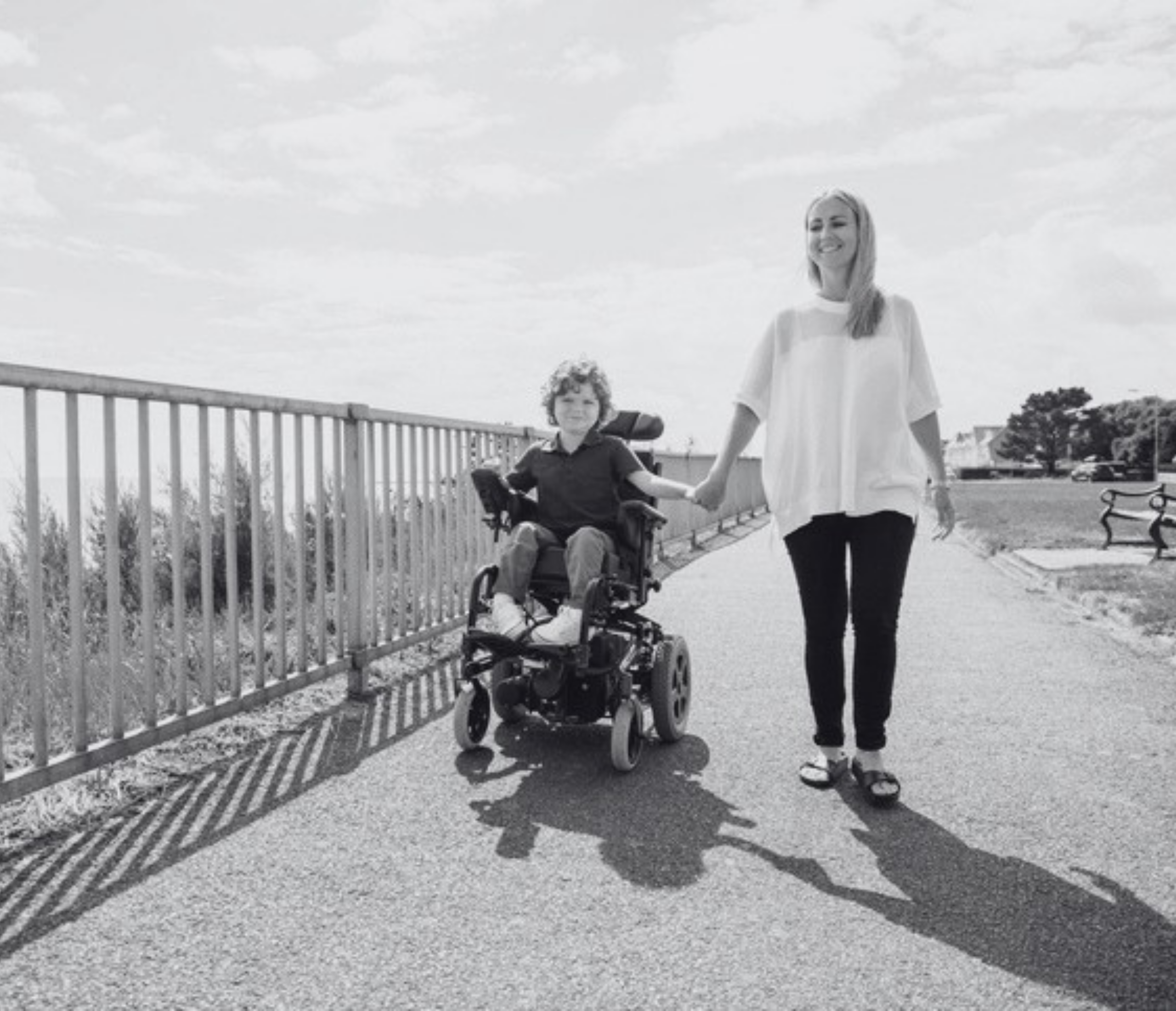
System impairment resulting in loss of coordination and balance, skeletal muscle abnormality, tremors and twitching and altered sensation such as tingling, numbness and pins and needles often result in mobility issues. Some people with neuromuscular conditions will develop scoliosis. They will require regular physiotherapy and pressure area care management and will also often require lots of specialist equipment like individually tailored back braces, buggies, wheelchairs, standing frames and hoists.


These physical manifestations can prevent the client from being able to perform there own self-care routine. They may experience changes in bowel and bladder function. The carers help the person with their care routines, promoting independence wherever possible, whilst ensuring that their privacy and dignity is maintained.


The client will also require effective and safe medicine management, in particular the correct pain relief and seizure management.


Psychological aspects and personal development issues are another important factor to consider when providing care to the clients. Some of our clients experience problems with vision, speech and hearing that can alter the way the person communicates. Promoting independence, providing appropriate stimulation and facilitating the individual to communicate their needs is also a vital aspect of the care provided.

(Tortora & Anagnostakos 1990; Better Health Channel 2006; MND)


Free Advice Pack

Finding it hard to cope? If you or would welcome some ideas on how to make things a little easier, we can help with some free advice.

... more information


A day in the life

Get Adobe Flash player

If you would to request the film, " A day in the life of Felix", request a copy free.

... request free DVD